Guide
Clothing manufacturers for startups:
how to place your first jeans order
Many clothing manufacturers do work with startups. Whether a factory takes your first order depends less on your size than on whether your quantity meets its MOQ and your product is clearly specified.
The factory weighs the order against the setup it needs: fabric, washes and line time. A new brand that arrives prepared is easier to quote and easier to say yes to.
This guide covers what a jeans or denim factory asks for, what a first order looks like and how to prepare, plus when a smaller factory is the better fit.
Will a clothing manufacturer work with a startup?
Yes, many will. Three things decide it: your order quantity against the factory's MOQ, how clearly the product is defined, and whether you can meet the payment terms.
Factories think about the whole relationship, not just the first order. A brand that may come back with repeat orders and new styles is worth setting up. A large factory does not refuse small brands by default. It does need the first order to make sense for its production lines.
Top Mondial's minimum order quantity is 500 pieces, so startups and small brands can order from us as well as established retailers.
This page covers the startup's side. The full supplier checklist is in our guide on how to choose a denim manufacturer.
What a factory needs from you before it can quote
A factory can only quote what it can see. Bring these five things to your first conversation.
- Tech pack or reference garment. It sets fabric, fit, wash and trims. See our guide to the denim tech pack.
- Target price. Give a price per piece and the delivery terms it assumes, for example FOB. The factory can then tell you early whether the fabric and wash fit your budget.
- Quantity. Give total pieces, split by style, colour and size if you know it.
- Delivery window. State when you need goods in your warehouse. Work back through bulk production and sampling.
- Company details. Give your registered company name and address, plus a contact who can approve samples and payments.


A quote based on guesses changes later. Clear inputs give you a firm quote. To see what makes up the price you are quoted, read how much it costs to make jeans.
Minimum order quantities for a first jeans order
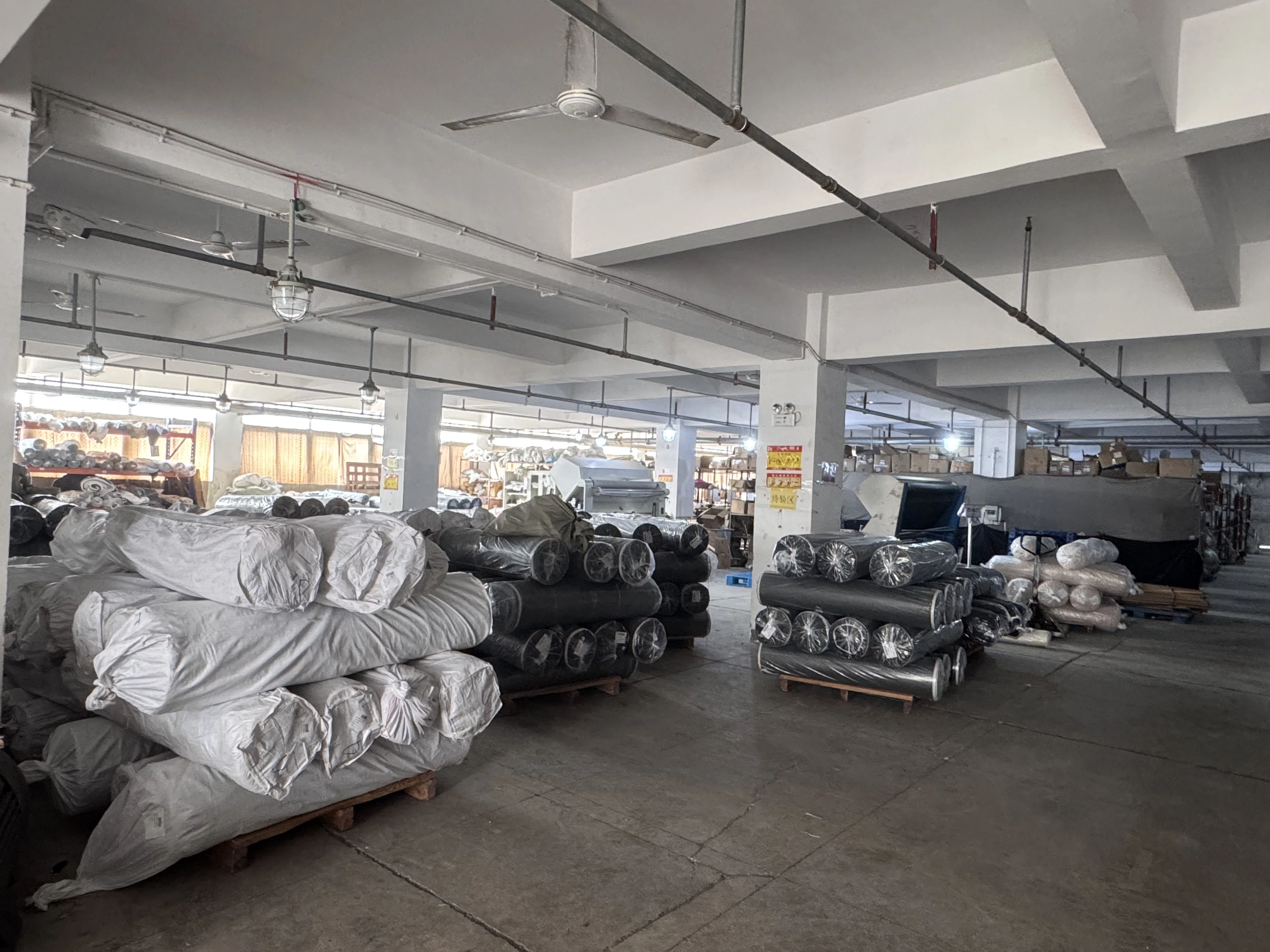
A minimum order quantity (MOQ) is the smallest order a factory will accept. Denim factories set one because fabric is bought in rolls from mills, washes run in batches and every style needs line setup. Below a certain quantity, the cost per piece climbs.
Top Mondial's MOQ is 500 pieces. We see that as the size that keeps quality consistent from the first production run onwards.
Ask every factory how its MOQ applies: per order, per style or per colour. The answer decides how many styles you can launch with.
Be honest about your own numbers too. If 500 pieces is more than you can sell or fund for a first drop, a smaller factory may suit you better for now. We cover that further down.
How a first order usually runs: sample, approval, bulk, payment
A first order follows the same path as any other order. The difference is that the factory has no history with your brand yet, so each sign-off counts for more.
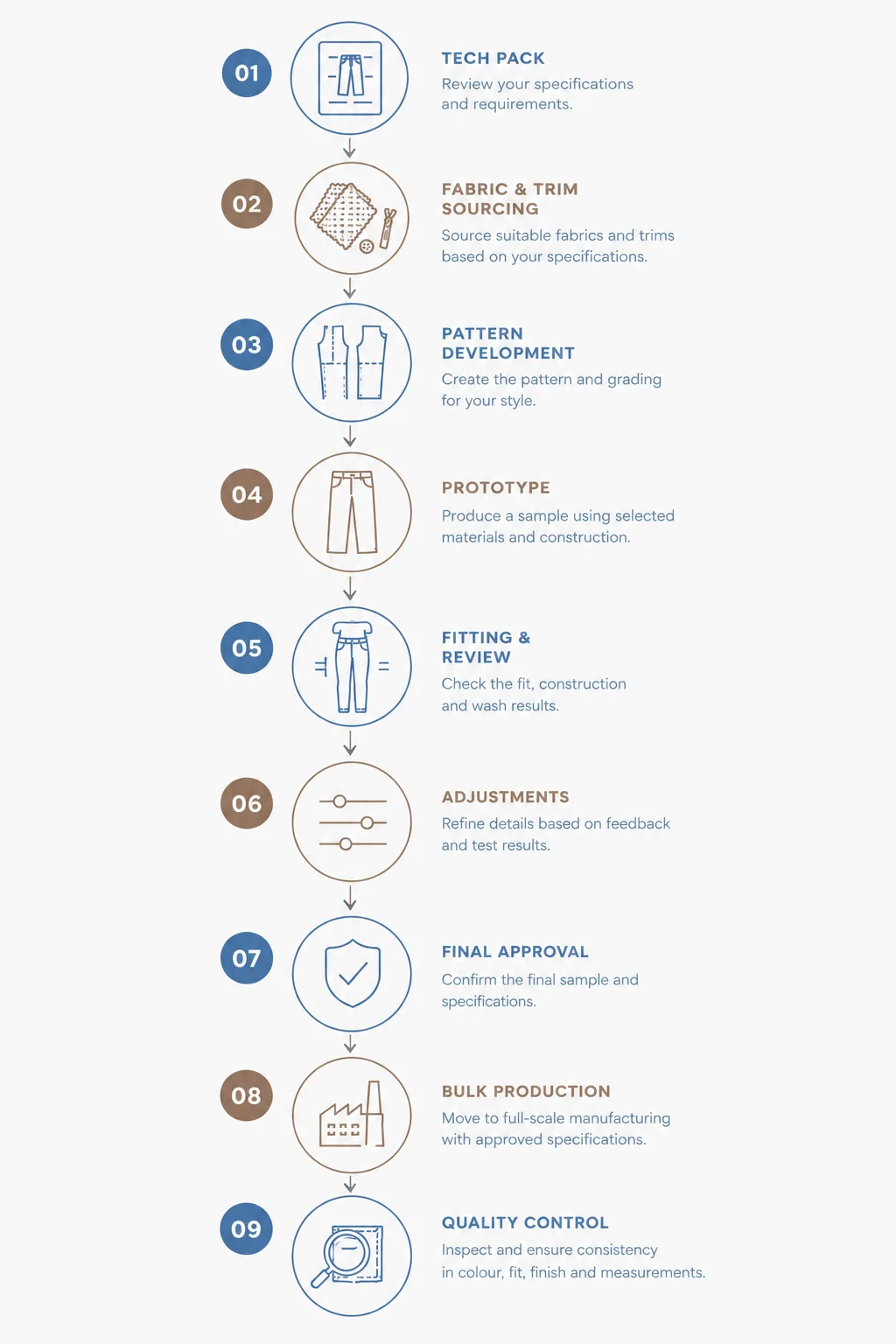
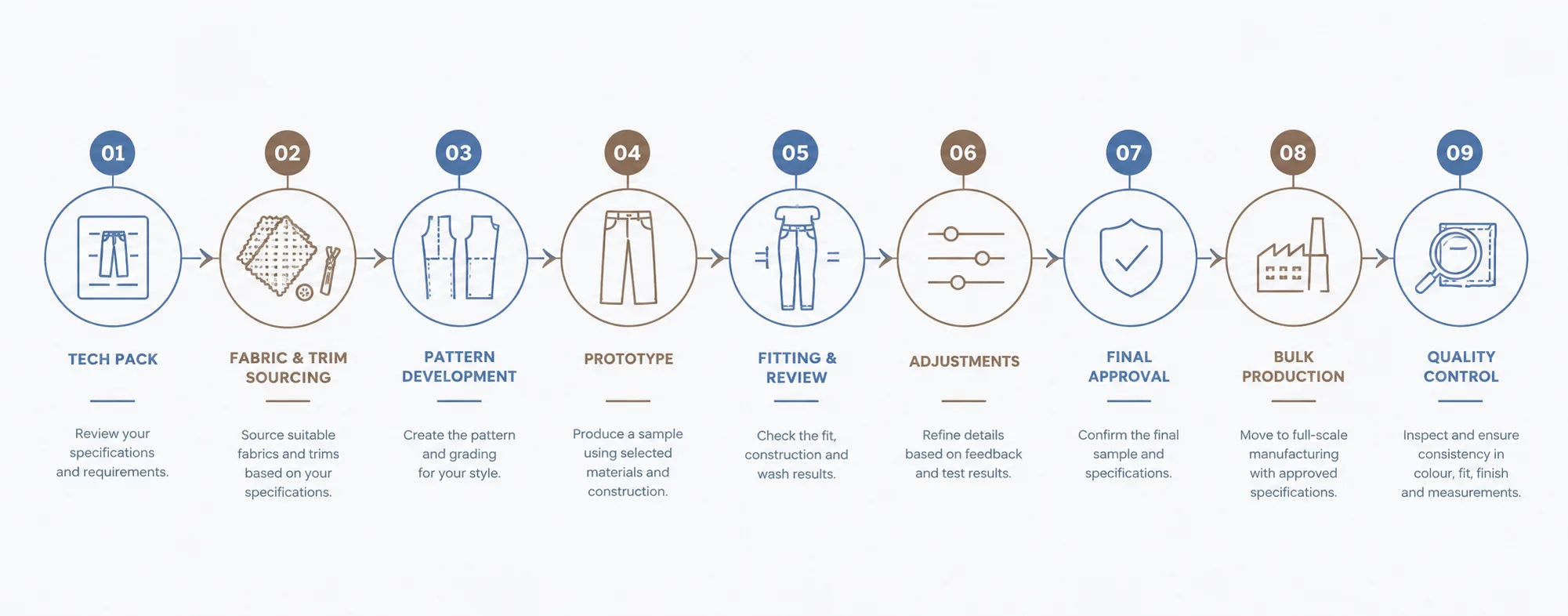
The diagram shows the full flow. The four stages below are where a startup spends its time and money.
1. Sample
The factory makes a development sample from your tech pack. Sampling typically takes around 7 days to develop and ship. This varies with design, fabric sourcing, development and location.
Expect more than one round. For the detail, read denim sampling explained.
2. Approval
You sign off fit, fabric and wash. Then you approve a pre-production sample made in bulk materials. Once approved, the specs are locked into the tech pack that governs the run.
Our guide to how jeans are made shows where your brand signs off.
3. Bulk production
Average bulk lead time is around 30 days. It depends on order size, complexity and material availability.
Inline QC runs during production, and there is a final audit before dispatch.
4. Payment
New customers usually start on lower-risk terms. For FOB orders, Top Mondial typically works with a 30% deposit and a 70% balance before shipment.
For how this compares with other structures, see payment terms explained.
How to reduce the risk on your first order
A first bulk order always carries some risk. These five habits cut it.
- Budget for sample rounds. Do not approve the first sample just to save time. A second round costs less than a bad bulk run.
- Keep the first run small and focused. Order at the MOQ, with fewer styles and colours. One core fit in one or two washes is a good start. Then reorder what sells.
- Approve in writing. Confirm fit, wash and trims against the tech pack and keep one current version. Changes after sign-off mean re-sampling. See the common sampling mistakes.
- Agree inspection before the balance. Know which checks happen before the balance is due and the goods ship.
- Plan the timeline backwards. Start from your launch date and leave room for an extra sample round.
1. What to prepare to look credible to a factory
Factories quote faster, and offer better terms, to buyers they can check. A new brand cannot show order history, so it shows everything else.
Registered company details
Have your company name, registration number and registered address ready, plus a named decision-maker. The fuller company-information checklist is in payment terms explained.
A website and brand presence
Even a simple site or lookbook shows the brand is real and who it sells to.
References and background
Share any previous manufacturing or retail experience, stockists, or your industry background. If you have none, say so and explain your sales plan.
A realistic forecast
State your first-order quantity and the reorders you expect if it sells. This is what makes a small first order worth setting up.
When a smaller factory is the better fit
The right factory depends on where your brand is now. A large factory is not always the right first partner, and a smaller one is not a lesser choice.

A smaller factory may suit you if:
You are still finding out what sells.
your brand
- Is still testing the product or the market
- Cannot commit to 500 pieces of a style yet
- Wants very short or one-off runs
what to expect
- Lower minimums
- More flexibility from run to run
- Consistency and capacity you should check before you scale

A larger denim factory may suit you if:
You are ready to order at volume and plan to grow.
your brand
- Has a proven style or pre-orders
- Can order at the 500-piece MOQ
- Plans repeat orders and new styles
what to expect
- Consistent quality across repeat runs
- Capacity to scale without changing supplier
- In-house sampling, washing and QC
Working with Top Mondial as a startup
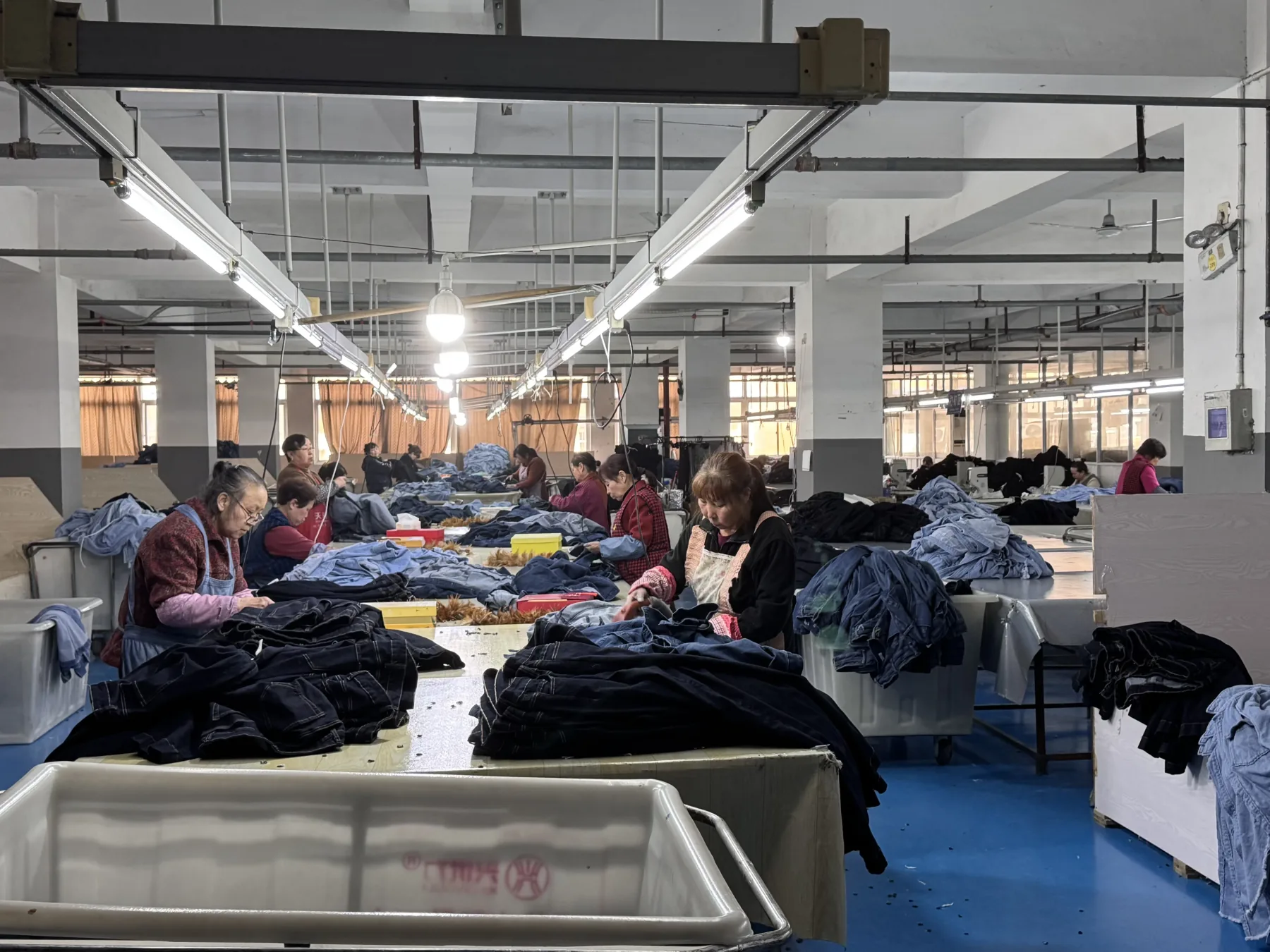
Top Mondial is a jeans and denim manufacturer with its own factories: one in Zhejiang, China, and two in Cambodia. We offer both OEM and ODM.
Our MOQ is 500 pieces. Startups and small brands order alongside established retailers.
No tech pack yet? You can start from a reference garment or from ODM styles. Our guide to OEM vs ODM explains the difference.
Our aim is to keep quality consistent from your first run to larger ones, so you do not have to change factory as you grow.
If you have your quantity, target price and delivery window, send them to us with a tech pack or reference garment.